
What in Your Workspace Actually Matters for Talent Retention?
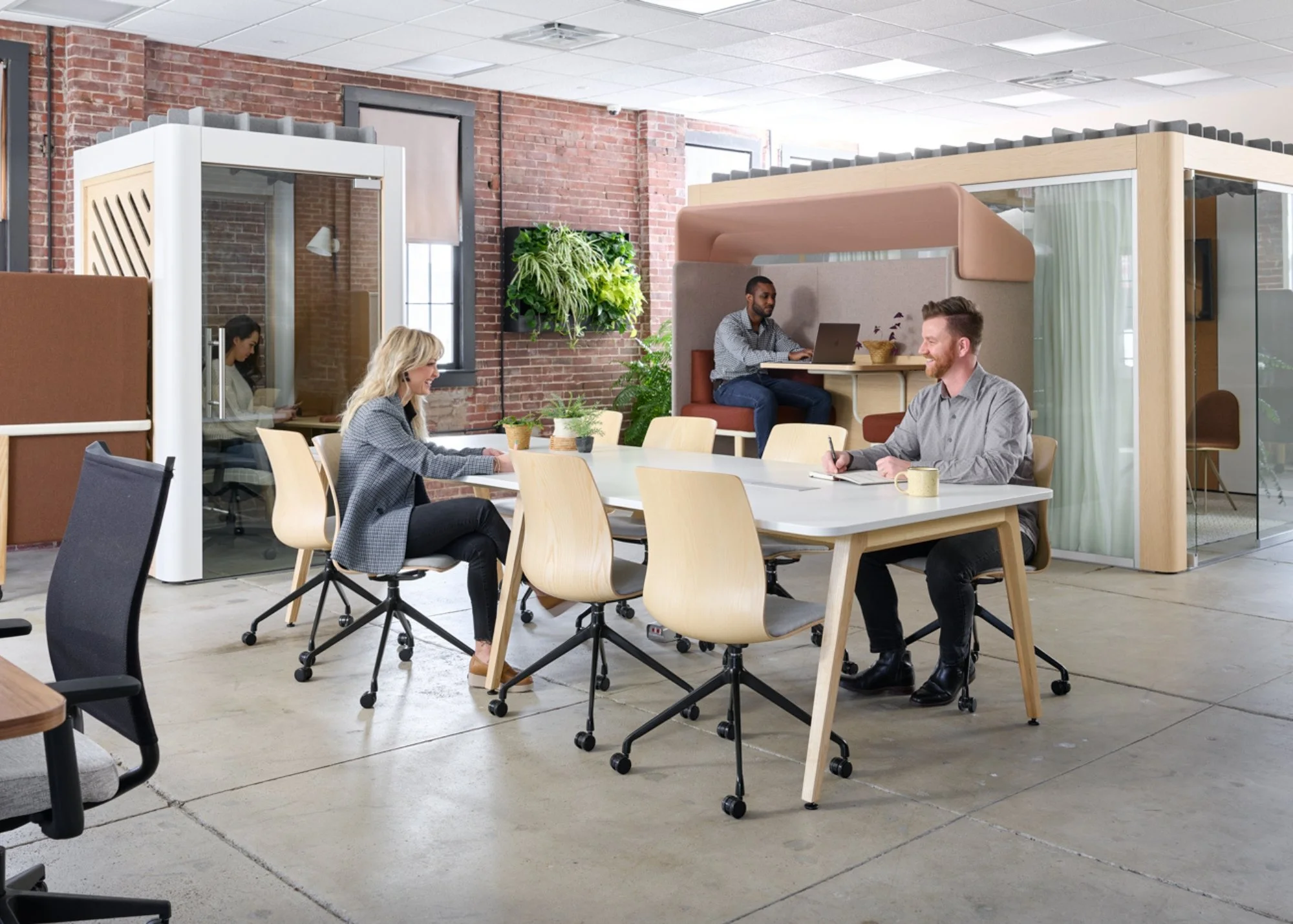
A team of men and women sit at various places in a modern workspace, some collaborating at a conference table, one in a privacy pod, and one in a booth.
🎧 Prefer to listen to this article?
Listen to the quick audio briefing!
This is an engaging AI-generated summary based on our team’s article.
In 2026, the job market keeps getting more competitive. Companies are responsible for finding the right mixture of pay and benefits to compel their talented employees to stay, and then maintaining that balance as their needs shift.
That's why this stat from Gensler stops you in your tracks.
Employees who have a positive association with the workplace itself are three times more likely to stay with the company. When managing different employee expectations and becoming a great place to work, this stat can provide a straightforward addition to your system in retention overall. Look toward the environment and how it serves your people.
Nearly 3 in 4 US employees report moderate to high stress at work, and a lot of that traces back to spaces that were never really built around how people work best. We're not here to scrap your full retention plan for employees, we're here to help you consider how your environment can add a cushion that makes it just too good for people to leave.
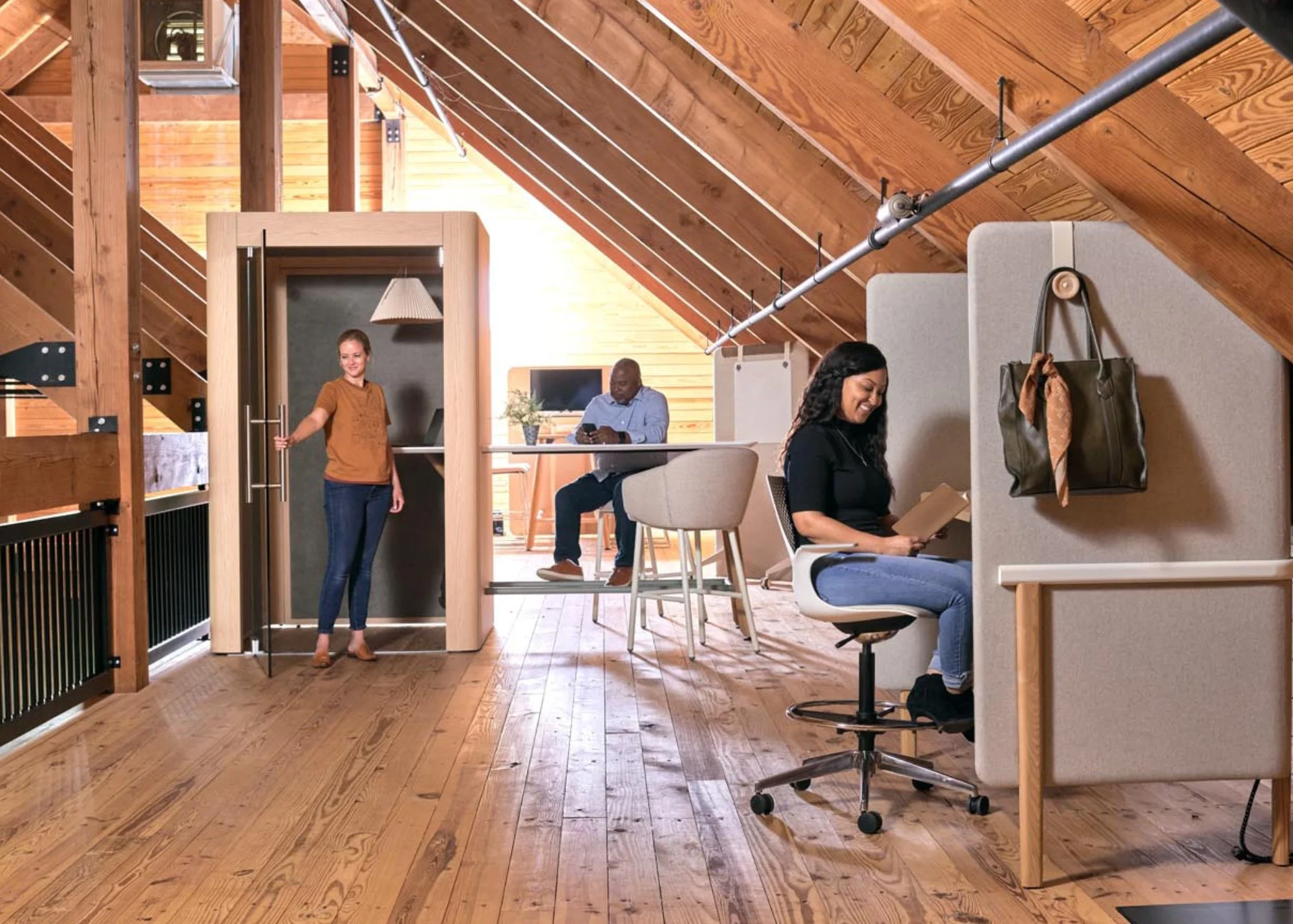
A group of three business professionals work in different styles in a loft workspace, one closing the door to a privacy pod, one sitting at a collaborative table, and one sitting in an acoustic styled cubicle.
1. Choice of Work Environment.
The simple choice of being able to work at their desk, or to branch out and sit in a lounge area, a collaborative area, or a privacy space makes a huge difference in employee wellness. Just like the time you spend at home, not moving from one spot for hours can tank your productivity and mental state. We need blood flow, new surroundings, and a space suited to the task at hand to accomplish our goals.
A few quiet focus rooms, some casual lounge seating, a couple of huddle spaces for quick syncs, that mix matters more than square footage. When someone can pick the right spot for the task in front of them, the office becomes a tool to their success instead of draining their energy.
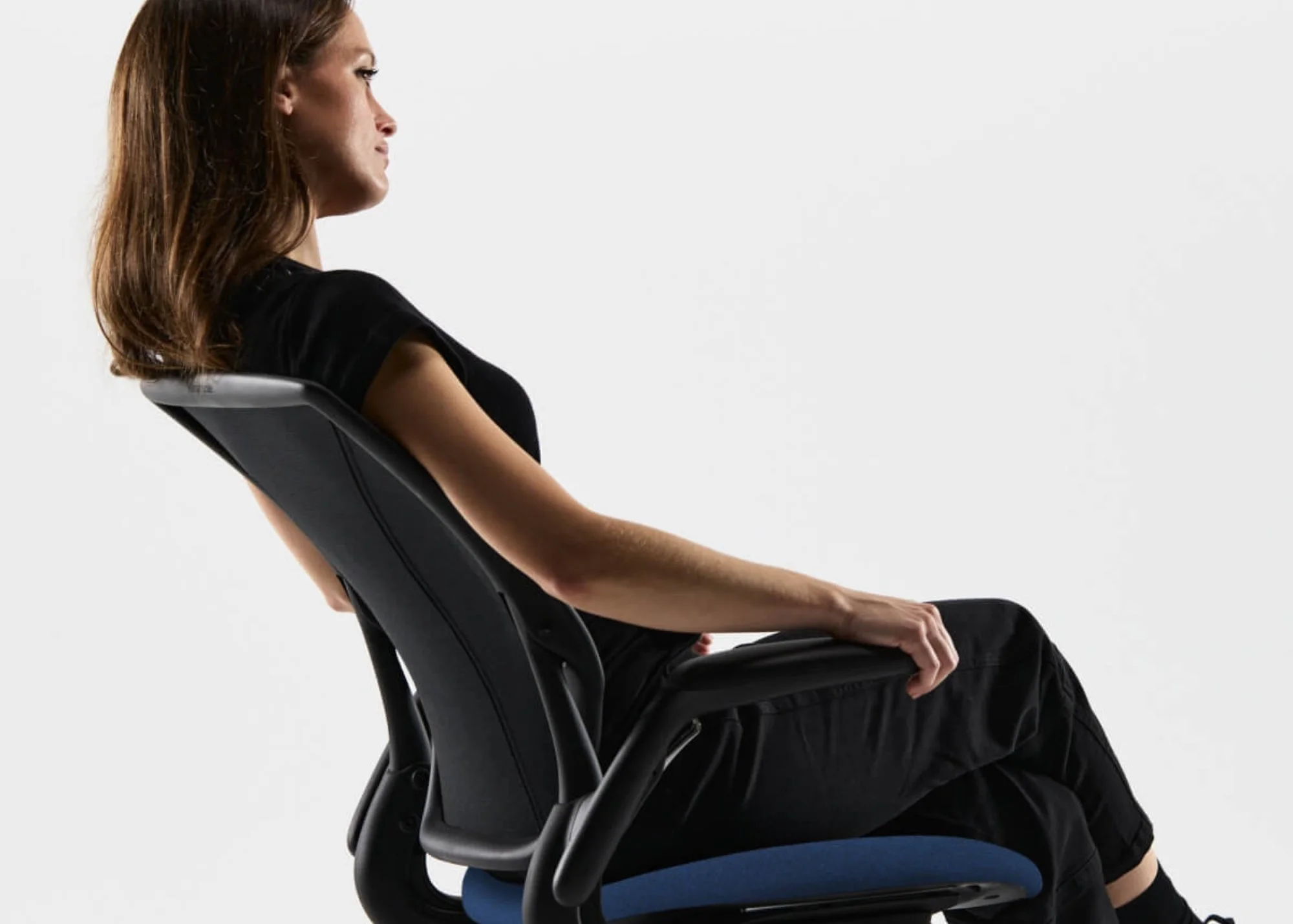
A businesswoman sits in a contoured, ergonomic task chair.
2. Furniture That Enhances the Workday
This one feels like what a furniture company would say, but it's a minor shift that causes a major upgrade not only in an employee's workday, but their overall quality of life. We spend 8 to 10 hours a day sitting in office furniture. Depending on your role, so much of your work is directly affected by your level of focus, comfort, and physical health throughout the day.
Whether it's sitting in a chair that hurts your back, having a desk that's the wrong height, or using monitors that force you to hunch, these small daily frictions add up to real issues. Investing in your team with ergonomic furniture that's flexible and fits them is care that gets repaid tenfold in their professional success.
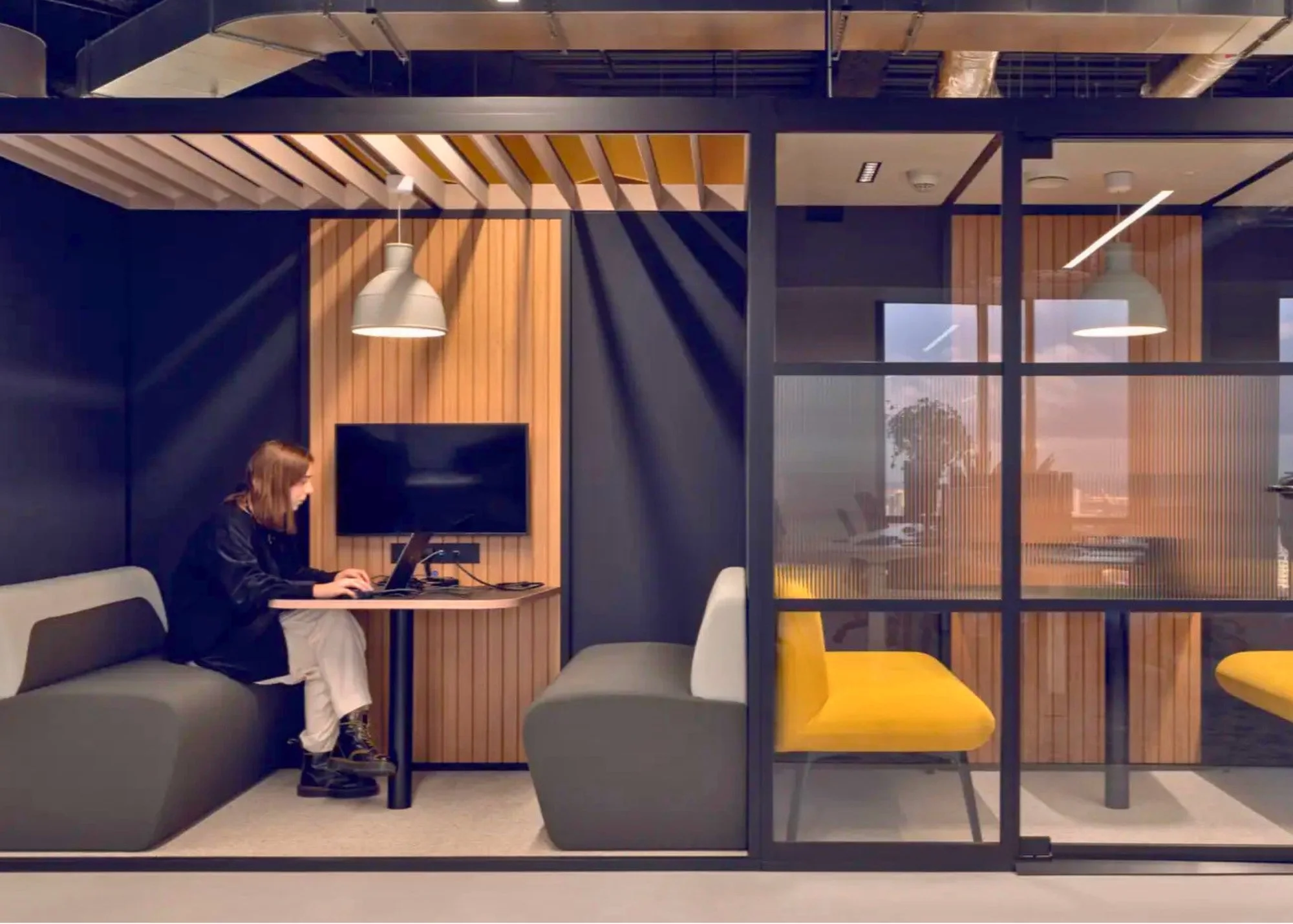
A woman works solo in a privacy pod with two booths, a table, and a TV on the wall. Another pod with a glass sliding door is next to hers.
3. Private Spaces for Focused Work
Open collaboration space gets all the attention, but privacy is just as important for retention. Phone booths, small enclosed rooms, even a quiet corner with good acoustic separation, these give people permission to focus or take a personal call without an audience. Trusting your employees with the space to choose quiet vs. collaboration is offering them the flexibility that they'll always keep top of mind.

A woman works at her laptop at a well lit desk, surrounded by natural light and plants.
4. Light Changes Everything
Natural light near workstations, decent air quality, and views of the outdoors consistently show up in employee satisfaction data, and the research backs it up. One recent global workplace survey found natural light was the single most requested workplace element, ahead of quiet zones, ergonomic furniture, or breakout spaces.
While your team may not know it's a lack of ventilation or sunlight that's bothering them, they'll sense it. Studies on biophilic design, meaning natural light, greenery, and natural materials in a space, link it to roughly 15% higher wellbeing, 6% greater productivity, and up to 15% more creativity. Adding simple, sustainable touches to their work environment, plants, live walls, good lighting, access to windows, natural airflow, will go a long way.

A team, two sitting and two standing, talk and listen to each other as they discuss an adjustment to business plans in a modern office.
5. Adapting to the Team Themselves
Being attentive to your team's shifting needs in the environment signals consistent care from their leadership team. People change. Hybrid schedules change. The best workplaces get reconfigured as daily needs develop, more collaborative space if the team's growing, more private offices if leadership's expanding, better tech in meeting rooms if hybrid meetings are a daily thing. It shows people the company is still paying attention to how they actually work.
Final Thoughts
You may not have thought retention has something to do with your workspace, but it actually impacts the decisions that top talent makes every day. None of this means tearing everything out and starting over. It means looking at your space through your team's eyes and asking what's actually helping them do their best work.
Need Some Workspace Updates?
If anything in our latest article sounds like something you'd like to learn more about, don't hesitate! We'd be happy to give input on your space, whether it's mocking up a new design, ordering furniture, or just giving direction for a future project. No commitment needed. We're here when you need it!